

Table of Contents
- Why Home Chefs Choose a Cutluxe Alternative
- Best Kitchen Knives for Home Cooks: What Sets Them Apart
- Damascus-Style Kitchen Knives: Performance and Aesthetics
- How to Choose a Chef's Knife That Fits Your Kitchen
- Full-Tang Kitchen Knife Sets: Why They Matter
- SiliSlick Knife Options: Quality Without Compromise
- Maintenance and Care for Your New Kitchen Knives
- Frequently Asked Questions
Last Updated: October 11, 2026
Why Home Chefs Choose a Cutluxe Alternative
Looking for a cutluxe alternative for home chefs? You're not alone. Many home cooks find themselves drawn to professional-grade kitchen knives but want options that deliver both performance and visual appeal without breaking the bank. At SiliSlick®, we understand that upgrading your kitchen cutlery is about more than just sharpness, it's about finding tools that match your cooking style, your budget, and your kitchen aesthetic.
A quality chef's knife transforms how you work in the kitchen. When you're slicing vegetables for meal prep or dicing herbs for dinner, the right blade makes the difference between frustration and flow. The challenge is finding a cutluxe alternative that doesn't compromise on build quality, edge retention, or durability.
This guide covers five solid options that home chefs consider when evaluating their choices. We'll walk you through what matters most: blade steel, handle comfort, maintenance requirements, and real-world performance for everyday cooking tasks.
Best Kitchen Knives for Home Cooks: What Sets Them Apart
The best kitchen knives for home cooks balance sharpness, durability, and value across three core dimensions: steel type and edge retention, handle ergonomics and weight, and maintenance demands. Unlike specialty knives designed for professional kitchens, home cook knives need to handle diverse tasks, from delicate herb work to breaking down a whole chicken, without requiring constant professional sharpening or fussy care.
Steel Type and Edge Retention
Japanese VG-10 steel (vanadium-molybdenum-cobalt stainless) holds an edge due to higher carbon content and harder heat treatment (typically 60-62 Rockwell Hardness). This means fewer sharpenings per year and noticeably smoother cuts through vegetables and proteins. The cost: VG-10 requires more careful maintenance. Acidic foods can cause spotting if not dried immediately, and the harder edge is more prone to chipping if struck against bone or ceramic.
Titanium-coated stainless blades (food-grade steel with a thin titanium nitride surface layer) add visual appeal with an iridescent finish, and provide moderate edge retention. These are ideal for budget-conscious cooks who want a low-maintenance option and don't mind sharpening every 4-6 months.

Handle Ergonomics and Weight Balance
A knife that doesn't feel balanced in your hand or causes wrist strain after 20 minutes of chopping won't get used, regardless of blade quality. The handle should sit comfortably in your grip without forcing your wrist into an awkward angle. Full-tang construction (steel running the entire length of the handle) distributes weight evenly and prevents separation where the blade meets the handle, a common failure point in partial-tang designs.
Handle materials vary: Pakkawood (laminated hardwood) resists moisture and offers a refined appearance.
Maintenance and Sharpening Frequency
Your willingness to maintain a knife should influence your choice. Titanium-coated blades require sharpening every 3-6 months with regular home use and tolerate casual care (occasional dishwasher exposure, less immediate drying). VG-10 and high-carbon Japanese steels hold an edge longer, often 12-18 months between professional sharpenings, but demand hand washing, immediate drying, and careful storage to prevent spotting and corrosion.
Home cooks who use a honing steel before each cooking session (a quick 5-10 passes per side) can extend the time between sharpenings by 30-50% regardless of steel type. Honing realigns the blade edge without removing steel, making it a low-cost maintenance habit that pays dividends.
Damascus-Style Kitchen Knives: Performance and Aesthetics
Damascus-style kitchen knives combine functional engineering with visual drama. The layered pattern isn't just for looks, the construction method creates a blade that's both strong and flexible.
Damascus VG10 steel, the material used in SiliSlick's Damascus VG10 Chef Knife - Hammered Blade ($79.00), consists of 67 layers of high-carbon stainless steel. The hammered finish serves a practical purpose: it reduces food sticking to the blade during cutting, which means cleaner slices and less cleanup. The blade measures approximately 8 inches, making it suitable for most kitchen tasks from slicing vegetables to carving meats.

The core steel has a Rockwell Hardness of 62+, meaning it resists dulling and maintains its edge through regular use. The double-beveled edge is sharpened to 12-18 degrees per side, optimized for both strength and smooth cutting performance. The Pakkawood handle provides moisture resistance and a refined appearance that complements any kitchen.
How to Choose a Chef's Knife That Fits Your Kitchen
Selecting the right chef's knife starts with understanding your actual cooking patterns and maintenance tolerance. Rather than choosing based on brand prestige or aesthetics alone, map your needs to a knife's specifications and care requirements.
Match Your Primary Cooking Tasks
Daily vegetable prep and herb work: If you chop vegetables, herbs, and aromatics most days, prioritize blade sharpness and a curved or slightly curved edge that rocks through produce. Japanese VG-10 steel or a SiliSlick Damascus VG10 Chef Knife - Hammered Blade excels here because it holds an edge 2-3 times longer than German steel, meaning you'll spend less time sharpening and more time cooking.
Meat carving and protein breakdown: If you regularly carve roasted chicken, slice brisket, or break down whole proteins, you need a blade with a straighter edge and enough flexibility to follow bone contours without chipping.
Occasional cooking and minimal maintenance: If you cook 2-3 times per week and prefer minimal upkeep, a titanium-coated stainless blade or German stainless steel is the right choice. A SiliSlick Kitchen Knife Set - Titanium Coated Blades covers all everyday tasks without demanding fussy care.
Small kitchen with limited storage: If counter or drawer space is tight, a compact 5-7 inch Santoku knife (Japanese-style, with a flat edge and slight curve at the tip) handles slicing, dicing, and mincing in a smaller footprint than a traditional 8-inch chef's knife. The SiliSlick Damascus VG10 Steel Santoku Knife Classic Wave delivers precision in a 7-inch package and pairs well with a magnetic strip for space-efficient storage.

Assess Your Sharpening Comfort Level
Damascus VG10 Steel Santoku Knife Classic Wave →
Before buying, be honest about maintenance. If you're comfortable using a sharpening stone or honing steel regularly and can hand-wash and dry immediately after use, invest in a high-performance blade like VG-10 steel, the longer edge retention and superior cutting feel justify the extra care.
Blade Length and Weight Distribution
For most home cooks, an 8-inch blade length is optimal. It's large enough to slice through a head of cabbage or carve a roasted chicken in fewer strokes, but nimble enough for precise herb mincing.
Weight and balance matter more than absolute length. Pick up the knife and hold it for 30 seconds. The handle should feel like a natural extension of your arm, not pulling your wrist down or feeling top-heavy.
Budget and Value Tiers
Budget tier ($25-$35): A SiliSlick Kitchen Knife Set Kit & Black Magnetic Rack & sharpener includes five full-tang knives (chef, bread, Santoku, utility, paring) plus storage and sharpening tools.
Mid-range tier ($50-$100): A single high-performance blade like the SiliSlick Damascus VG10 Chef Knife or Santoku. These deliver professional-grade edge retention and cutting feel without the cost of a full professional set. Ideal for home cooks who cook frequently and want one exceptional knife that handles 80% of their tasks.
Premium tier ($100+): Custom or specialty knives with rare steel types or handcrafted handles. Most home cooks don't need to spend this much; the performance gains beyond mid-range are incremental and matter mainly to culinary professionals.
Full-Tang Kitchen Knife Sets: Why They Matter
A full-tang knife has the steel running all the way through the handle, from blade tip to handle end. This construction creates superior balance and durability compared to partial-tang designs where the steel only extends partway into the handle.
Full-tang construction means the knife won't separate or develop weak points where the blade meets the handle. For home cooks who use their knives frequently, this matters. The weight distribution feels more natural, and the knife performs consistently over years of use. SiliSlick's Kitchen Knife Set Kit & Black Magnetic Rack & sharpener ($29.00) includes five essential full-tang knives plus storage and maintenance tools, making it a practical starting point for cooks building their first serious knife collection.
A full-tang set typically includes a chef knife, utility knife, paring knife, and specialized blades like a bread knife or Santoku.
SiliSlick Knife Options: Quality Without Compromise
SiliSlick® offers several cutluxe alternatives designed specifically for home chefs who want professional performance without professional pricing. The Damascus VG10 Steel Santoku Knife Classic Wave ($79.00) delivers Japanese precision in a compact 7-inch package. The Santoku shape, with its flat edge and slight curve at the tip, excels at slicing, dicing, and mincing vegetables and herbs.
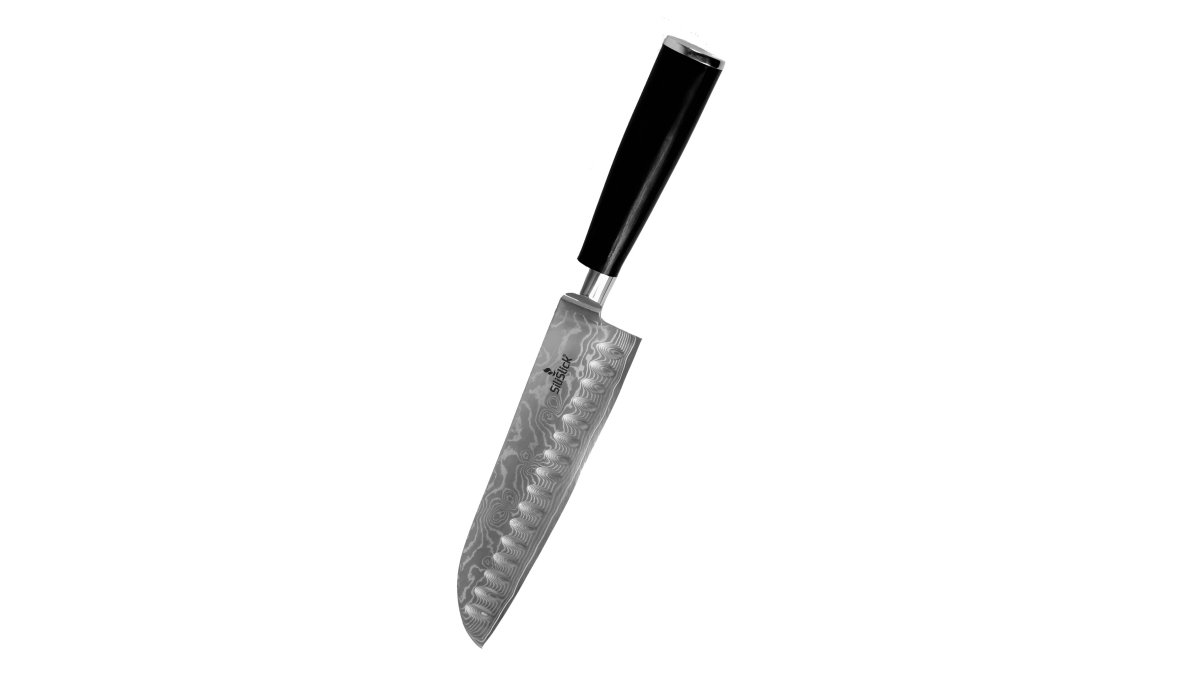
For budget-conscious cooks, the Kitchen Knife Set - Titanium Coated Blades ($25.00) delivers surprising value. The titanium coating creates a non-stick surface that reduces food sticking and adds visual appeal with an iridescent finish. The set includes five knives, chef, bread, Santoku, utility, and paring, covering virtually every cutting task in a home kitchen.
Each SiliSlick® knife comes with a lifetime guarantee against manufacturing defects in material or workmanship. The 30-day satisfaction return policy lets you try them risk-free. Hand washing and immediate drying preserve both the blade and handle.
Maintenance and Care for Your New Kitchen Knives
Proper maintenance extends the life of any quality knife by years. The single most important rule: hand wash immediately after use and dry completely. Dishwashers damage blades through high-temperature exposure and aggressive water pressure, and they corrode handles over time.
Use a honing steel before each cooking session, this realigns the blade edge without removing steel. A quick 5-10 passes on each side takes 30 seconds and keeps your knife sharper longer. Professional sharpening becomes necessary only when honing no longer restores the edge, typically once or twice per year for home cooks.
Store your knives in a way that protects both the blade and your hands. A magnetic strip, knife block, or the safety sheaths included with SiliSlick® sets keep blades safe and accessible. Never throw knives loose in a drawer, this dulls the edge and risks injury.
For Damascus and VG10 steel knives, avoid prolonged exposure to acidic foods like citrus or vinegar, which can cause spotting over time. Wipe the blade immediately after cutting acidic ingredients, then dry thoroughly.
Finding the right cutluxe alternative means matching your cooking needs to a knife that will actually get used. SiliSlick® specializes in full-tang knife sets featuring high-carbon Damascus VG10 steel and titanium-coated stainless steel blades designed for both performance and visual appeal. Our knives come with a lifetime guarantee and are backed by a 30-day satisfaction return policy. Start your upgrade today with a Damascus VG10 Chef Knife or a complete titanium-coated set, your kitchen prep will feel noticeably smoother within the first week.
Frequently Asked Questions
What should home chefs look for in a Cutluxe alternative?
Look for knives with high carbon steel or Damascus construction for edge retention, a comfortable ergonomic handle, and a blade length suited to your most common tasks. Full-tang construction adds durability, while a Rockwell hardness rating of 62+ ensures the blade resists dulling. Consider whether you need a single multipurpose knife or a complete set, and verify the knife comes with a lifetime guarantee against manufacturing defects for long-term reliability.
Are full-tang kitchen knife sets a good choice for home cooks?
Yes, full-tang kitchen knife sets offer superior durability and balance compared to partial-tang alternatives. A full-tang blade extends through the entire handle, distributing weight evenly and preventing the blade from separating from the handle under pressure. This construction makes full-tang knives ideal for home cooks who use their knives frequently and want tools that will last for years with proper care.
What is the difference between a chef's knife and a santoku knife?
A chef's knife typically has an 8-inch blade with a curved edge, designed for rocking motions and suited to Western cutting techniques on meats and vegetables. A santoku knife has a shorter 7-inch blade with a straighter edge and flatter profile, optimized for precise slicing and dicing with a vertical chopping motion. Both are multipurpose knives, but the santoku excels at clean, thin slices while the chef's knife handles tougher cutting tasks and larger ingredients.
How should you care for a coated kitchen knife?
Hand wash your coated knife with mild detergent and dry it immediately after use to prevent moisture damage and rust. Avoid the dishwasher, which can degrade the coating and handle finish. Store the knife in a knife block, magnetic strip, or protective sheath to keep the blade safe and the coating intact. For maintenance, use a sharpening stone or professional service periodically, and the titanium or Damascus coating will continue to perform well with this simple routine care.